PE WAX About
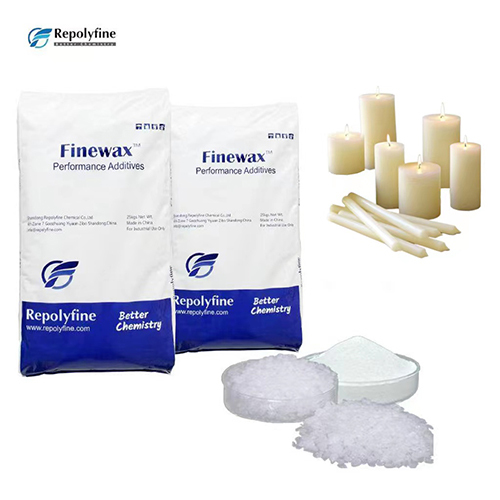
PE WAX is low molecular weight polyethylene wax.It is white powder.Used as the lubricant in extrusion, calendering, injection processing. Can improve the machining efficiency and prevent or overcome film, pipe, sheet binder, improve the smoothness and gloss of finished product, improve the look of the finished product.
Physicochemical Properties
Index/Product Name | PE-19 | PEH-11 |
Molecular Weight Mn | 3000-5000 | 2000-3000 |
Viscosity at 140C cps | 400-500 | 5-10 |
Density g/cc | 0.92-0.93 | 0.92-0.93 |
Penetration Hardness dmm | 3-5 | 3-5 |
Softening Point C | 110-115 | 90-100 |
Product Benefits and Application
Improve the plasticizing, improve the toughness of the plastic products and surface smoothness. And in the production of PVC compound stabilizer in a wide range of applications.
Polyethylene wax products can effectively improve the thermal stability of PVC and the fluidity of the processing, increase the extrusion efficiency of PVC products, improve the surface gloss of products, and effectively reduce the precipitation of PVC products in the processing.
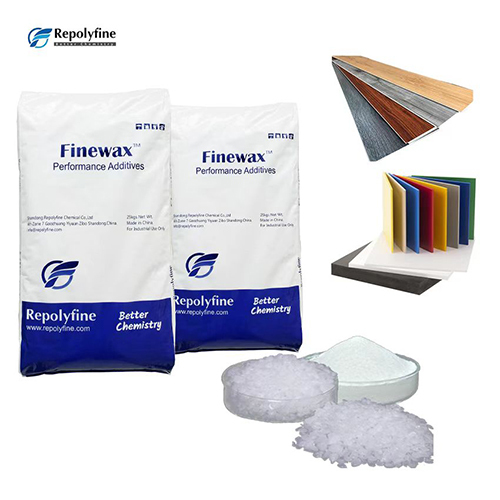
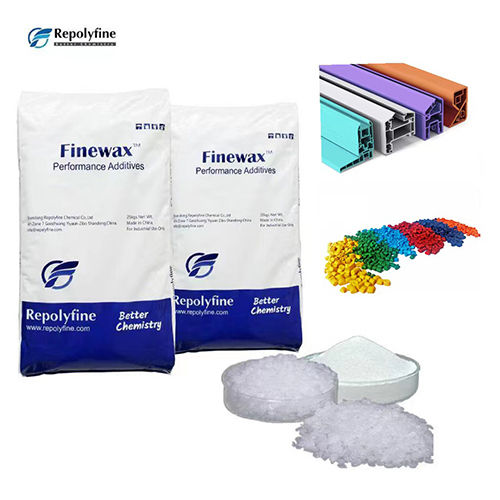
Plastic concentrated color master batch, injection and blown film color master batch, functional color master batch, Biological dual degradable color master batch, filler master batch.All soft and hard PVC profiles,Extrusion, cable, pipe and board.PE/PVC cable, WPC(wood plastic composite)
Material Safety Data Sheets
MSDS are available outlining hazards and safe handling methods.
Storage, Packing & Transportation
Packed in 25kg woven or kraft paper bag.Avoid insolation, drench.Stored in cool and draughty place, shelf life: one year.
Versatile Industrial ApplicationsPE Wax is extensively used in the plastics, rubber, inks, and coatings industries. Its roles as a lubricant, dispersing agent, and modifier enhance the processing characteristics and final performance of these products. Industries benefit from its consistent quality, helping improve efficiency and product quality.
Outstanding Physical and Chemical PropertiesCharacterized by high thermal stability, low ash and impurity content, and an odorless white appearance, PE Wax delivers robust performance in demanding environments. Its insolubility in water and ease of dissolution in aromatic or chlorinated hydrocarbons makes it compatible with a wide range of formulations.
FAQ's of PE WAX:
Q: How is PE Wax typically used in manufacturing processes?
A: PE Wax serves as a lubricant, dispersing agent, and modifier in the production of plastics, rubber compounds, inks, and coatings. It enhances flow, improves surface finish, and assists in pigment dispersion, leading to superior product characteristics.
Q: What are the main benefits of using PE Wax in industrial applications?
A: Key benefits include improved lubrication during processing, enhanced dispersibility of additives or pigments, increased product durability due to thermal stability, and its chemical neutrality, which prevents unwanted reactions in formulations.
Q: When and where should PE Wax be stored to maintain its quality?
A: PE Wax should be stored in a cool, dry place, away from sunlight and sources of heat. This ensures product integrity and extends shelf life to a minimum of two years under proper conditions.
Q: What is the recommended process for incorporating PE Wax into formulations?
A: PE Wax is typically added during the mixing stage of manufacturing. Depending on the end-use, it may be melted and blended with other components or introduced as a granular additive, ensuring uniform distribution throughout the product.
Q: What is the appearance and form of PE Wax as supplied?
A: PE Wax is supplied as odorless, white solid flakes or granules, with a standard packaging weight of 25 kg. This makes it easy to handle and measure during industrial processing.
Q: What makes PE Wax a preferred choice over natural waxes?
A: PE Wax offers consistent chemical purity, superior thermal stability, and minimal impurities or ash content, making it more reliable in formulations compared to many natural waxes. Its neutral properties allow for broader compatibility in industrial applications.


 Get a Quote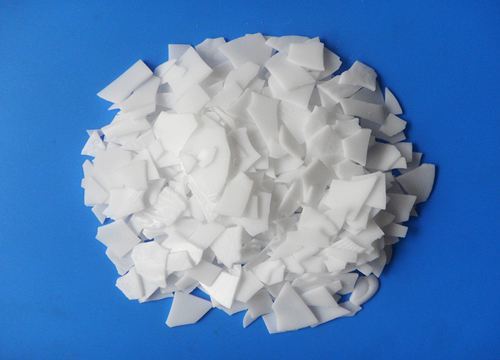

 Send Inquiry



 Send Inquiry
 Send Inquiry
 Call Me Free
 English
 Spanish
 French
 German
 Italian
 Chinese (Simplified)
 Japanese
 Korean
 Arabic
 Portuguese