
- Home Page
- Company Profile
-
Our Products
- Oxidized Polyethylene Wax
- Pvc impact modifier
- MBS Impact Modifier
- pvc impact modifier
- PVC Impact Modifier
- Chlorinated Polyethylene
- Acrylic Impact Modifier
- ACM Impact Modifier
- CPE 135A
- ACM Impact Modifier
- Acrylic Impact Modifier
- MBS RESIN
- Acrylic Impact Modifier
- Chlorinated polyethylene
- ACM Impact Modifier
- PVC Impact Modifier
- OA- 123 Oxidized Polyethylene Wax
- Oxidized Polyethylene Wax module
- Oxidized polyethylene wax module
- Oxidized polyethylene wax module
- Lubricant Processing Aid
- OXIDIZED POLYETHYLENE WAX OA-330
- Oxidized Polyethylene wax for Masterbach
- Oxidized Polyethylene wax for PVC foam board
- Acrylic processing aid for PVC pipe
- MBS Impact Modifier
- PVC Foaming Regulator
- Acrylic Processing Aid
- Acrylic Processing Aid
- High molecular weight processing aid
- PVC Foaming Regulator
- PVC Processing Aid
- Processing Aid ACR401
- Lubricant Processing Aid
- San Processing Aid
- Pvc Processing Aid
- Impact Modifier for PVC Pipe
- High Molecular Weight Processing Aid
- PVC Lubricating Processing Aids
- Acrylic Processing Aids
- SAN Processing Aid
- Acrylic Processing Aid
- Processing Aid
- Lubricant Processing Aid
- Acrylic Impact Modifier AIM60
- Acrylic Impact Modifier AIM-60
- MB - 236
- MBS Impact Modifier for PVC Film
- MBS Impact Modifier for PVC sheet
- MBS Impact Modifier for PVC Film
- MBS Impact Modifier for CPVC Pipe
- MBS IMPACT MODIFIER FOR PVC Indoor products
- Acrylic Processing Aid
- PVC External Lubricant
- PVC Internal Lubricant
- PVC Internal Lubricant
- PVC Lubricants
- External PVC lubricants
- Oxidized Polyethylene wax
- Lubricants for PVC
- PVC Internal Lubricant
- Lubricant for PVC
- PVC External Lubricant
- PVC Lubricants Flaxes
- Lubricant Processing Aid
- PVC LUBRICANT PROCESSING AID P-175
- PA - 23
- Pvc Processing Aid Acr-401
- PA 530
- Acrylic Processing Aid
- Acrylic processing aid for foam boards
- PVC processing aid for SPC Flooring
- PVC LUNRICANT PROCESSING AID FOR Transparent Products
- HPA-518 PVC Processing Aid
- Hydrotalcite Module
- Calcium stearate
- ASA Resin
- Chlorinated Polyethylene
- PVC Raw Material
- NC Blowing Agent
- Additives for PVC
- Antioxidant SBM
- MBS Resin
- MBS Impact Modifier
- PVC Additives
- CPE 135B
- Calcium Stearate
- PVC Compound Stabilizer
- PVC Raw Material
- Additives for PVC
- Methyl tin stabilizer
- PVC Stabilizer
- ASA Granule
- PVC Foaming Regulator
- Dike tone
- Chlorinated Polyethylene
- AC Blowing Agent
- Hydrotalcite HTC-3
- Low Density Oxidized Polyethylene
- High Density Oxidized Polyethylene
- PVC Foaming Agent
- PVC Heat Stabilizer
- Synthetic Hydrotalcite
- Chlorinated Polyethylene
- CPVC 1
- ASA Resin
- Ca Zn Stabilizer
- PVC Additives
- Hydrotalcite HTC-7
- Wax
- Oxidized Pe Wax
- Oxidized Polythethylene Wax (OPE)
- High Density Oxidized Polyethylene
- Oxidized PE Wax
- Oxidized Polyethylene Wax
- Oxidized Polyethylene Wax
- PE WAX
- Low Density Oxidized Polyethylene
- PE Wax
- Fischer Tropsch Wax
- FT Wax
- Polypropylene Wax
- Oxidized polyethylene wax module
- Oxidized polyethylene wax module
- Chlorinated Polyethylene CPE135A
- PVC Stabilizer
- PVC Impact Modifier Module
- Acrylic Processing Aid Module
- Oxidized Polyethylene Wax
- More Info
- Contact Us

 Get a Quote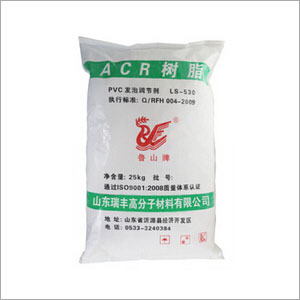

 Send Inquiry



 Send Inquiry
 Send Inquiry
 English
 Spanish
 French
 German
 Italian
 Chinese (Simplified)
 Japanese
 Korean
 Arabic
 Portuguese