CPE 135B About
CPE135B is rubber type: As synthetic rubber in wire & cable, hose products.

This product is a kind of amorphous elastomer with minimal crystal. It has lower Mooney viscosity and mastication temperature as well as excellent properties such as good processing property, excellent weathering resistance, good flex resistance and flame resistance. It can be blended with CR, CSM, NBR, EPDM, SBR and NR at any ratio.
Item | Unit | CPE 135B | CPE 8136 |
Chlorine content | % | 351 | 351 |
Heat stable time | 165 min | 12 | 12 |
Volatile Matter content | % | 0.4 | 0.4 |
Tearing Strength | Mpa | 8.0 | 8.0 |
Shore Hardness | % | 60 | 60 |
Apparent Density | g/ml3 | 0.55 | 0.55 |
Heat of fusion | J/ g | 1.0 | 1.0 |
Tensile elongation | % | 800 | 800 |
Mooney viscosity | ML91+40125 | 705 | 505 |
Remark: |
Versatile Modifier for PlasticsCPE 135B serves as an effective impact modifier for PVC products, substantially improving mechanical properties such as flexibility and shock resistance. Its compatibility with a wide range of polymers, including rubber, makes it an excellent additive for manufacturing robust cable sheathing, automotive seals, and flame-retardant materials.
Optimal Performance and StabilityWith a thermal decomposition temperature of at least 165C, low volatile and heat loss percentages, and a neutral pH, CPE 135B is engineered for stability during processing and in final product use. Its hardness rating (Shore A 60 5) ensures balanced strength and pliability, while the powder or granular form allows for seamless integration into polymers.
Safe and Environmentally Conscious ChoiceCPE 135B is RoHS compliant, non-toxic, and odorless, making it suitable for applications requiring environmental and health safety. The product is conveniently packaged in 25 kg bags with inner plastic lining to preserve quality and enable easy transportation and storage for manufacturers, exporters, and distributors.
FAQs of CPE 135B:
Q: How should CPE 135B be stored to ensure maximum shelf life?
A: CPE 135B is best stored in a cool, dry, and well-ventilated warehouse to maintain its quality and extend its shelf life up to two years. Keeping the product in its original, sealed 25 kg woven bags with inner plastic lining helps protect it from moisture and contamination.
Q: What are the primary applications and benefits of using CPE 135B?
A: CPE 135B is primarily used as a plastic and impact modifier for PVC products, including cable sheathing, hoses, automotive seals, and flame-retardant rubber. Its excellent compatibility with various polymers improves impact strength, flexibility, and weather resistance in finished materials.
Q: When is it recommended to use CPE 135B in manufacturing processes?
A: CPE 135B is recommended during the compounding stage of manufacturing when enhanced impact resistance, flexibility, or flame retardancy is desirable in PVC or rubber-based products. Incorporating CPE 135B ensures improved mechanical properties and product durability.
Q: Where is CPE 135B typically used within industry sectors?
A: CPE 135B is widely utilized in the plastics and rubber industries, particularly in the production of cable insulation, hoses, weather-resistant automotive parts, and flame-retardant materials due to its versatility and strong impact-modifying properties.
Q: What is the process for incorporating CPE 135B into polymer blends?
A: CPE 135B is generally added in powder or granular form during polymer compounding or blending processes. It disperses uniformly and is compatible with most PVC, rubber, and related polymers, which helps enhance impact resistance and flexibility of the final product.
Q: What are the distinguishing physical and chemical features of CPE 135B?
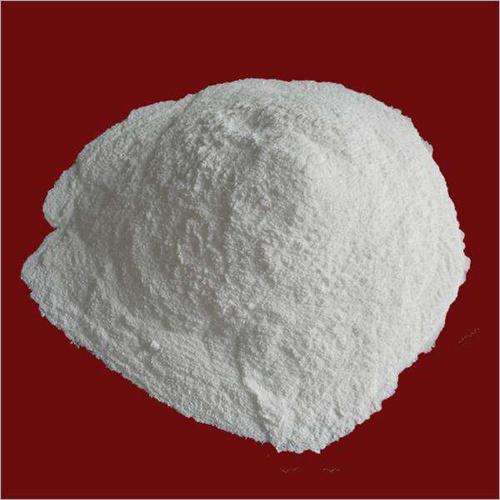
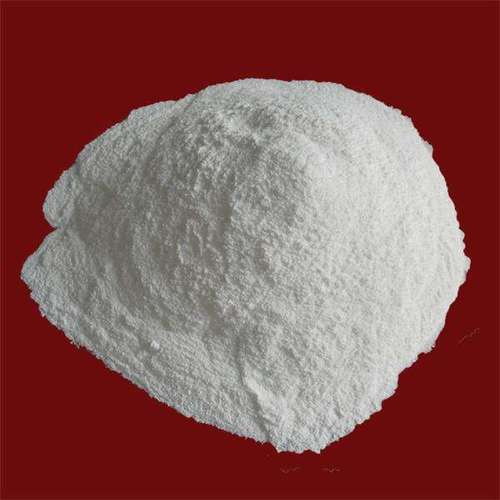
A: CPE 135B is a white, odorless powder with a chlorine content of 35 2%, a neutral pH, and a density of 1.23 g/cm. It is insoluble in water, non-toxic, and exhibits exceptional elongation and tensile strength, making it suitable for demanding industrial applications.


 Get a Quote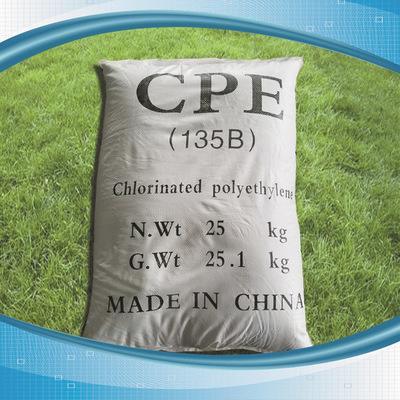

 Send Inquiry



 Send Inquiry
 Send Inquiry
 English
 Spanish
 French
 German
 Italian
 Chinese (Simplified)
 Japanese
 Korean
 Arabic
 Portuguese